
Italian Cuisine Becomes UNESCO Intangible Heritage


And Sicily Steps Onto the World Stage as a Land of Taste, Tradition and Journeys
On 11 December 2025, something happened that every Italian has always felt in their heart – but that now is written in history in black and white: Italian cuisine has been officially inscribed on the UNESCO List of Intangible Cultural Heritage of Humanity.
It’s not just a medal for pizza, pasta or gelato.UNESCO is recognising something much deeper: the Italian way of living food – the gestures, the rituals, the family tables, the respect for ingredients, the link with the land, and that unmistakable mix of creativity and tradition that you find from the Alps to Sicily.
And right there, at the southern tip of the country, in the centre of the Mediterranean, stands a region that embodies this recognition in a powerful way: Sicily. Here, food is never “just food”. It’s memory, identity, history, religion, landscape and hospitality on a plate.
This article is meant to do two things:
Explain clearly what this UNESCO recognition means and why it is so important.
Show why Sicily is one of the most natural and exciting places in the world to experience this newly recognised heritage – not only by tasting it, but by travelling through it.
What Exactly Did UNESCO Recognise?
UNESCO did not inscribe a dish, a product or a cooking technique.The inscription is about “Italian cuisine” as a living cultural practice.
That means:
A set of knowledge and skills: how to choose ingredients, how to process them, how to cook them, how to present them.
A series of shared rituals: Sunday lunch with the family, the open kitchen during festivities, the grandmother teaching her grandchild how to roll fresh pasta, the village that gathers for the patron saint’s feast.
A strong relationship with the land: local products, seasonal cycles, traditional varieties, small-scale farming and artisanal production.
A powerful identity value: Italians recognise themselves – and are recognised abroad – by the way they eat, cook and host.
UNESCO’s message is clear: Italian cuisine is a cultural language.You can read it in gestures, hear it in stories and proverbs, and taste it in recipes that have been passed down for generations. It is constantly evolving, but always built on a deep respect for tradition and for the raw materials.
This recognition also underlines some key values:
Sustainability – the focus on local, seasonal ingredients and traditional methods that respect the environment and reduce waste.
Transmission – the fact that this knowledge is passed on informally, at home, in families and communities, not only in books or schools.
Diversity – Italian cuisine is not one, it is thousands of micro-traditions. Each region – and within it, each province, each village – has its own story to tell through food.
Which brings us straight to Sicily.

To understand the UNESCO inscription, you have to imagine Italian cuisine as a huge mosaic.
Each tile is a local tradition: a way to bake bread in a tiny mountain village, a particular way to cure olives on a Sicilian hill, a street food recipe born around a port or a market.
Some tiles are famous all over the world. Others are known only within a few kilometres.
But all together they form a single, recognisable picture: that of Italian gastronomy.
In this mosaic, Sicily is one of the brightest and most complex pieces.
Why?
Because Sicily has been a crossroads of civilisations for millennia: Greeks, Romans, Arabs, Normans, Spanish, French, and many others have left traces in its cuisine.
Because the island concentrates an extraordinary biodiversity: volcano, mountains, rolling hills, plains, islands, sea – each with its own products, flavours and traditions.
Because food in Sicily is deeply connected with religion and festivities: processions, patron saints, Easter, Christmas, village feasts – all have their own ritual dishes.
Because Sicilian food culture is incredibly theatrical and social: markets, street vendors, noisy kitchens, shared tables, endless conversations around a tray of sweets or a bottle of wine.
When UNESCO celebrates Italian cuisine as a living heritage made of diversity, memory and community, Sicily fits that definition perfectly.
A Taste of Sicily’s UNESCO-Worthy Food Culture
Let’s move from theory to flavours. If you had to explain the UNESCO inscription through Sicilian dishes and food experiences, you could easily start here:
1. Markets and Street Food: The Theatre of Everyday Life

In cities like Palermo, Catania and Syracuse, the best place to understand Sicilian food culture is not a museum – it’s the market.
In Palermo, markets like Ballarò and Vucciria overflow with colours and sounds: fishmongers shouting the freshness of their catch, vendors singing out prices, grills smoking with panelle, crocchè, stigghiola, sfincione.
In Catania, the fish market explodes every morning with the smell of the sea and the voices of fishermen. Just a few steps away, you’ll find fried fish cones, arancini, and cheeses from the inland.
This is exactly what UNESCO talks about:food as collective ritual, born from community life, not from a formal setting. Here, recipes travel by word of mouth, and the “recipe book” is the memory of the people behind the stalls.
2. Dishes that Tell Stories of Civilisations

Sicilian cuisine is a living history book. Each recipe carries traces of the cultures that passed through the island:
Arancini / arancine – rice, saffron, fillings of ragù, cheese or pistachio: an example of how rice, originally brought by Arabs, becomes a street food symbol embraced and re-invented by Sicilians.
Pasta con le sarde – pasta with fresh sardines, wild fennel, pine nuts, raisins and breadcrumbs: a perfect expression of the sweet-and-savoury balance introduced by Arab influence.
Caponata – aubergines, celery, capers, olives, tomato, vinegar and sugar: a baroque explosion of contrasts, born from centuries of experimentation and cultural layering.
Couscous trapanese – fish couscous that connects Sicily directly with North Africa, showing how the island has always been a bridge rather than a border.
Granita and brioche – the ritual of breakfast as a real ceremony, with flavours of almond, pistachio, lemon or mulberry, often accompanied by conversations that last more than the granita itself.
Each of these dishes is not just “good food”: it is identity materialised, exactly what UNESCO wants to protect.
3. Sweets and Rituals: When Dessert Carries Faith and Memory

Sicilian pastry is famous all over the world, but what many travellers don’t realise is how strongly it is tied to religious and seasonal celebrations.
Cannoli and cassata are not just desserts: they’re linked to festivities, weddings, special days.
Sweets shaped like lambs, fruits, saints, bones or doves appear at specific times of the year (Easter, All Souls’ Day, Christmas, local patron saints) and are full of symbolic meaning.
Monasteries and convents have historically been powerful centres of pastry tradition, where nuns refined recipes that still survive in today’s pastry shops.
Again, this is pure intangible heritage: recipes, gestures, meanings that travel from generation to generation.
From Recognition to Travel: How UNESCO Boosts Gastronomy Tourism
The UNESCO label is not just an honour – it is a powerful magnet for travel.
More and more, travellers choose destinations based on authentic food experiences:
They want to eat where the locals eat.
They want to understand how dishes are made.
They want to meet producers, cooks, artisans.
They want to feel that, for a moment, they belong to that community.
The recognition of Italian cuisine as intangible heritage does three key things:
It confirms to the world that Italy is not only a country to be visited, but a country to be tasted.
It strengthens the idea that local traditions matter – that a small bakery in a Sicilian village is as important, in its own way, as a famous monument.
It encourages travellers to go beyond the classic postcard spots and look for experiences connected with everyday life.
For Sicily, this is huge.The island already attracts visitors for its landscapes, archaeology, architecture and sea. Now, it has an even stronger argument: “Come and experience one of the most vibrant expressions of Italy’s UNESCO food culture.”

Let’s sum up why Sicily is especially well placed to benefit from this recognition – and why a travel blog or tour operator should push this angle:
1. A Natural “Laboratory” of Diversity
icily is not simply an island — it is a continent in miniature, a place where landscapes, climates, and ecosystems change dramatically within a short drive. This extraordinary environmental variety has shaped a culinary universe that is just as diverse, offering travellers a truly immersive journey through flavours, traditions, and terroirs.
Across Sicily you encounter:
• The volcanic slopes of Mount Etna, a world unto themselves
The highest active volcano in Europe creates a mosaic of soils — black, mineral-rich, and constantly renewed. Here, vineyards cling to ancient terraces of lava stone, producing wines with unmistakable character: elegant reds from Nerello Mascalese, crisp whites from Carricante, and rare indigenous varieties found nowhere else. The cuisine around Etna reflects this rugged landscape: wild herbs, chestnuts, honey, mushrooms, and dishes shaped by centuries of rural life around the volcano.
• Fertile inland hills shaped by centuries of agriculture
The heart of Sicily is a quilt of golden wheat fields, olive groves, almond orchards, and pistachio plantations. This is the land of traditional breads, robust olive oils, ricotta made daily in mountain villages, and pistachios so prized they are protected by denomination. Ancient farming practices coexist with modern excellence, creating flavours rooted in tradition yet constantly evolving.
• Dramatic coastlines rich in seafood and citrus
Sicily’s long coast is a treasure trove of culinary inspiration. From the fishermen’s ports of the Ionian Sea to the markets of the Tyrrhenian and the slower rhythms of the southern coast, you find swordfish, sardines, tuna, prawns, sea urchins, and shellfish prepared in countless ways.Lemon, orange, and mandarin groves perfume the air and shape the island’s identity, giving life to granite, pastries, and sauces that are unmistakably Sicilian.
• A constellation of small islands with their own micro-cultures
The Aeolian, Egadi, Pelagie, and Pantelleria islands each possess distinct gastronomic traditions shaped by isolation, climate, and history. Capers from Pantelleria, malvasia wines from the Aeolian Islands, sun-dried fish and preserves, rare grape varieties, spicy notes influenced by North Africa — every island holds a culinary identity that could be a world on its own.
2. Strong Connection Between Food and Place
In Sicily, food is not just something you eat — it is a geographical experience, a cultural map you can taste. Every ingredient, every recipe, every tradition is rooted in a specific landscape, a climate, a history, a way of life.This is why travelling through Sicily means travelling through flavours that exist nowhere else in the world.
Some of the most iconic examples:
Pistachio is tied to Bronte. Here, at the foot of Mount Etna, the volcanic soil creates pistachios with an intensity, sweetness and colour impossible to replicate. “Bronte pistachio” is not just a product: it is a symbol of resilience, terroir and centuries-old harvesting traditions passed down generation after generation.
Chocolate is tied to Modica.Modica’s chocolate is a direct legacy of ancient Spanish techniques, themselves inherited from the Aztecs. Cold-processed, grainy, aromatic — this chocolate is inseparable from the baroque streets of Modica, from its noble palaces and its long artisan tradition. You don’t just taste chocolate: you taste history.
Couscous is tied to San Vito Lo Capo.On the western edge of the island, Sicily meets North Africa. Here, couscous is not an imported recipe — it is a cultural bridge, a dish prepared patiently by hand, grain after grain. The annual Cous Cous Fest attracts chefs from multiple countries, celebrating the island’s role as a crossroads of Mediterranean cultures.
Marsala wine is tied to the salt pans and vineyards around Marsala.This wine — complex, amber, aromatic — is a child of sea and wind. The centuries-old salt pans create a dreamlike landscape, and the vineyards absorb the mineral breath of the coast. Marsala wine carries that landscape inside every drop.
“Street food identity” is tied to Palermo and its historic markets.Ballarò, Vucciria, Capo – these markets are not just places to buy food. They are open-air theatres where voices rise and fall like music, where frying pans sizzle, and where dishes such as arancine, pane ca’ meusa and stigghiola become part of the city’s living soul.Palermo’s street food is so unique and deeply rooted that it defines the city as much as its architecture.
Food + Place = The Perfect Storytelling Formula for Tourism
For a travel itinerary, this deep connection between product and territory is pure gold.
Each stop on a Sicilian food journey offers:
A story of a place – its landscapes, its people, its traditions.
A story of a flavour – how it was born, how it evolved, and why it exists only there.
This means that every traveller can experience Sicily not only with their eyes, but with all five senses.And for a travel blog, a tour operator, or a destination marketing company like Great Sicily, this is the most powerful narrative you can offer:
3. Authentic Human Encounters
Sicilian food culture is not shy. It’s noisy, generous, emotional.
For travellers, that means:
Talking with vendors at the market who insist you taste olives or cheeses “just to try”.
Grandmothers and home cooks who proudly show you their recipes.
Winemakers, bakers, fishermen who tell stories that mix work, family and tradition.
This is exactly what today’s travellers seek: real human connections, not only Instagram shots.
Concrete Ideas: How to Turn UNESCO into Travel Experiences in Sicily
Here are some experience ideas that fit perfectly with the UNESCO recognition and can be turned into real tours, packages or blog articles.
A. “From Market to Table” – Sicily Through Its Markets
Cities: Palermo, Catania, Syracuse
Concept:
Morning guided visit to historic markets with a local food expert.
Tasting of typical street food as “progressive lunch” (small bites across multiple stalls).
Visit to a family-run osteria or cooking studio.
Hands-on cooking workshop using ingredients bought at the market.
Dinner all together, sharing the dishes prepared – like a big Sicilian family.
What it shows about UNESCO heritage:The living chain from product → seller → cook → shared table.
B. “Volcano Wines and Peasant Recipes” – Etna and Rural Traditions
Areas: Etna villages, countryside around Catania and Taormina
Concept:
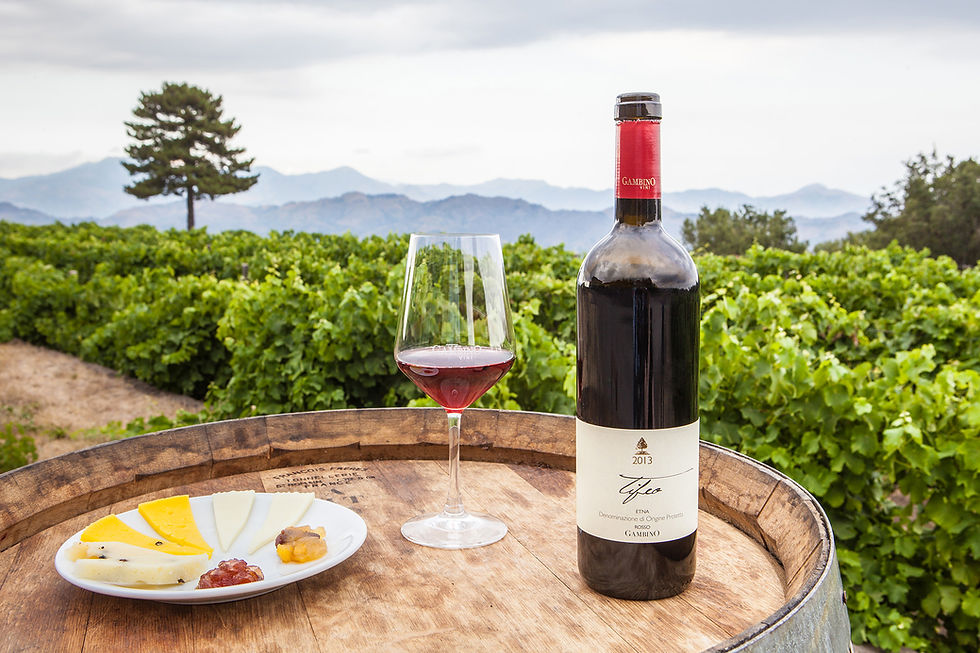
Visit to vineyards on the slopes of Etna, with explanation of traditional cultivation and local grape varieties.
Wine tasting paired with traditional cheeses, cured meats, olives, bread baked in wood-fired ovens.
Lunch in a farmhouse or agriturismo where old recipes are still prepared in a rustic kitchen (e.g. seasonal soups, baked pasta, vegetables from the garden).
Optional walk in old villages to see bakeries, small grocery shops and traditional bars.
What it shows about UNESCO heritage:The link between landscape, agriculture and daily cuisine.
C. “Sicily of Sweets and Festivities” – Pastry Traditions and Devotion

Areas: Palermo, Catania, Caltanissetta, Ragusa, baroque towns
Concept:
Visit to artisan pastry shops that still follow old convent recipes.
Tasting of cannoli, cassata, almond pastries, must-based sweets, and seasonal specialties.
Storytelling about religious feasts and the symbolic meaning of each sweet.
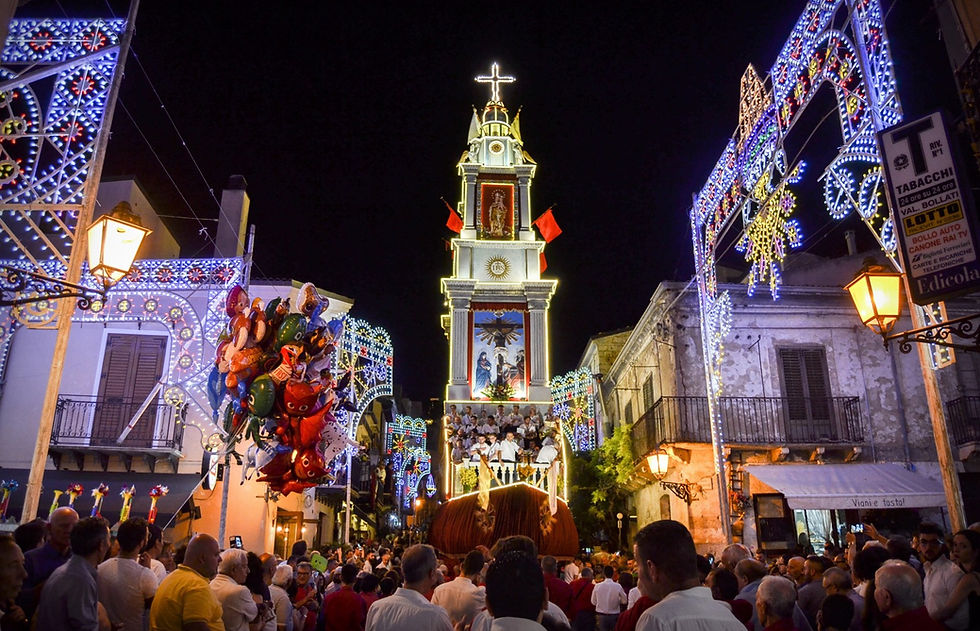
If the calendar allows, participation in a local festival or procession, with the typical food linked to that day.
What it shows about UNESCO heritage:How food is used to mark sacred time and community identity, beyond simple nutrition.
D. “Couscous, Sea and Wind” – The Mediterranean on a Plate

Area: Western Sicily (Trapani, San Vito Lo Capo, Marsala)
Concept:
Visit to fishing communities and traditional fish markets.
Workshop or show cooking on couscous making (from semolina to final dish).
Lunch with fish couscous and other local recipes (bottarga, tuna products, fried fish).
Sunset at the salt pans with aperitivo based on local wines (e.g. Marsala) and small seafood tapas.
What it shows about UNESCO heritage:The island as a bridge of cultures, where influences from North Africa, the Middle East and Europe are absorbed and transformed into something uniquely Sicilian.




Comments