
Cous Cous Fest 2026 in San Vito Lo Capo: Dates, Events, Food and a Complete Travel Guide


From 18 to 27 September 2026, San Vito Lo Capo becomes the Mediterranean capital of couscous. Discover the programme, tasting menus, concerts, travel advice, recommended hotels and restaurants, and the best places to visit around the festival.
Two weeks from today, one of Sicily’s most joyful celebrations will return to the beach at San Vito Lo Capo.
The 29th Cous Cous Fest will take place from Friday 18 to Sunday 27 September 2026, bringing ten days of international cooking competitions, tastings, cultural encounters, workshops and free concerts to this beautiful corner of western Sicily.
The festival’s 2026 message, “Make Cous Cous Not War,” is more than a slogan. Couscous is treated here as a shared Mediterranean language: a simple dish capable of carrying the memories, spices and hospitality of many different communities.
Chefs compete, but the larger purpose is to meet around the same table.
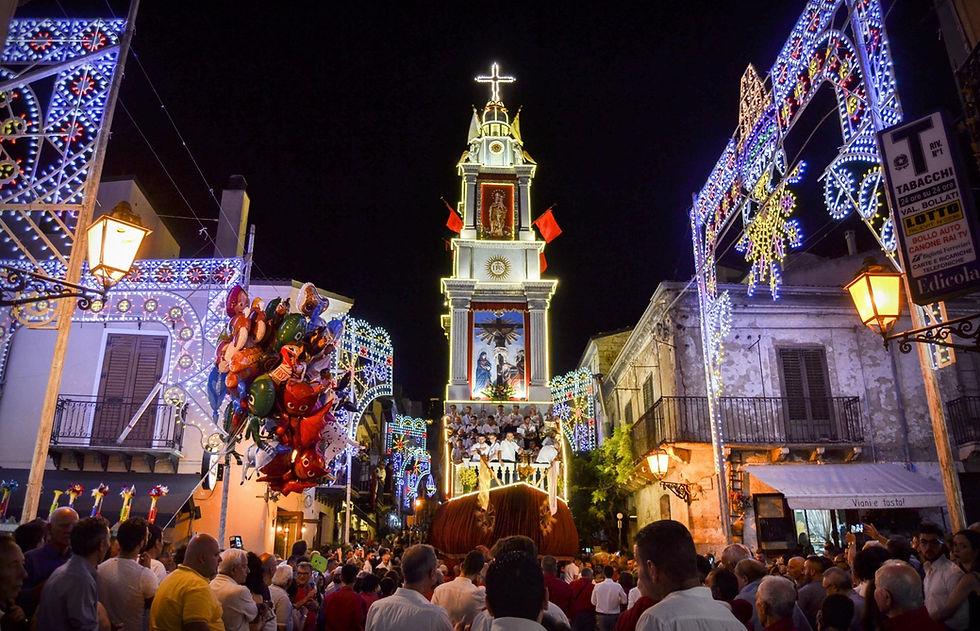
The setting makes the experience even more memorable. San Vito Lo Capo is a compact seaside town framed by pale sand, turquoise water and the limestone mass of Monte Monaco. During the festival, its beach, seafront, main streets and Piazza Santuario become an open-air village of food and music.
Cous Cous Fest 2026 at a glance
Dates: 18–27 September 2026Where: San Vito Lo Capo, province of Trapani, SicilyMain areas: the beach, seafront, Via Savoia, Via Regina Margherita and Piazza SantuarioGeneral admission: walking through the festival and attending the beach concerts is freeFood: more than 20 couscous recipes, served daily at three Cous Cous HousesKey events: Italian Couscous Championship, Next Generation Student Contest, Bia Cous Cous World Championship, cooking shows, talks, wine tastings and free live musicOfficial information: Cous Cous Fest
All details in this guide were checked on 4 September 2026. Several concerts and activities were still marked “TBA” on the live programme, so visitors should check the official website or festival app again shortly before travelling.
What is happening at Cous Cous Fest 2026?
The heart of the festival is the Bia Cous Cous World Championship, a friendly international contest in which chefs prepare interpretations inspired by their own countries.
A technical jury and a public jury taste and score the dishes, turning the competition into a rare event where visitors do not merely watch. With the appropriate ticket, members of the public can taste the competing recipes, vote and help select the winner.
The Italian competition comes first. Four professional chefs meet in qualifying rounds on Friday 18 September, followed by the Italian final on Saturday 19 September.
The winner joins the Italian team in the World Championship.
Young talent has its own stage in the Next Generation Student Contest, in which hospitality-school students are challenged to create an original couscous dish in just 45 minutes.
The World Championship qualifiers are scheduled for 24 and 25 September, while the three-way final takes place at 8:00 p.m. on Saturday 26 September.
The final ticket listed on the live programme includes the tasting of all three finalist recipes, three matching wines and a vote in the public jury.
Away from the competitions, the Bia Theatre in Piazza Santuario hosts cooking shows, tastings and conversations throughout the week.
Announced 2026 guests include Giorgione, Luca Pappagallo, Fabrizio Nonis, Giusina Battaglia, Filippo La Mantia, pastry chef Giuseppe Amato and Benedetta Parodi.
The programme also includes children’s couscous workshops, wellness sessions on the beach, wine experiences and a staged fish auction that recalls the sounds and energy of a traditional Sicilian market.
Cous Cous Fest 2026 concerts
The currently announced music line-up includes:
Friday 18 September, 10:30 p.m. — Sal Da Vinci: free concert on the beach stage.
Tuesday 22 September, 10:00 p.m. — Mario Incudine: free concert on the beach stage.
Friday 25 September, 10:30 p.m. — Gaetano Curreri with Andrea Fornili and Roberto Drovandi: free concert on the beach stage.
Saturday 26 September, 11:00 p.m. — Ditonellapiaga: free concert following the World Championship awards and grand finale.
The remaining evening slots are still being completed. Visitors should therefore keep an eye on the official 2026 programme as the opening date approaches.
The Cous Cous Houses: how the tastings work
From 12 noon until midnight every day, the three Cous Cous Houses on the beach serve more than 20 different recipes.
They are not identical food stands: each house has its own culinary direction and selection of dishes.
Casa del Cous Cous dal Mondo
Located on the beach near Via Giacomo da Lentini, the Casa del Cous Cous dal Mondo offers recipes inspired by Algeria, Côte d’Ivoire, Tunisia, Morocco and Brazil.
The menu also includes San Vito-style fish couscous and gluten-free meat or fish alternatives.
Casa del Cous Cous di San Vito Lo Capo
Located near Hotel Capo San Vito, this house focuses on Sicily and the local culinary tradition.
Its choices include classic San Vito fish couscous, a tuna-and-citrus “rais” recipe, black cuttlefish-ink couscous, a vegetable version, couscous alla Norma and a special dish dedicated to peace.
Casa del Cous Cous Al Waha
Located on the beach near Via Savoia, Al Waha moves between Sicilian and international flavours.
Its menu ranges from Tunisian lamb and Moroccan chicken to Senegalese veal, couscous with tuna and wild fennel, spicy mussel broth and a vegetarian Norma-style version.
Couscous menu prices
The Standard Menu costs €12 and includes:
One couscous dish of your choice.
A glass of wine or water.
Coffee or a digestif.
The €15 Combo Menu adds one extra choice:
An Aperol Spritz.
A beer.
The limited-edition MouScùs dessert.
MouScùs is a caramel-flavoured gelato served with orange-scented crunchy couscous and chocolate topping.
Menus are valid throughout the festival and can be used at any of the three Cous Cous Houses.
For 2026, menus and event tickets can be purchased through the official festival app and stored in a digital wallet. On-site ticket offices can instead load purchases onto a physical card with a QR code.
Buying before arrival is the sensible choice for popular cooking shows and championship sessions, where capacity is limited.
Important price note: the live programme and the general ticket page currently show different amounts for a few championship sessions. The prices quoted in this article follow the live programme checked on 4 September 2026. Always confirm the final amount in the official app or during checkout before paying.

From a fishermen’s dish to an international festival
Couscous is not a recent import created for tourists. It belongs to the culinary identity of the Trapani coast, where Sicily looks directly towards North Africa.
In the traditional local method, durum-wheat semolina is moistened and rolled by hand in a wide terracotta bowl. This patient process is known as incocciatura.
The grains are then steamed in a cuscusiera, before being scented and served with an intense fish broth.
The broth—and the local catch used to make it—distinguishes Trapani-style couscous from many meat- and vegetable-based North African versions.
There are different explanations for precisely when couscous became established in western Sicily.
Centuries of Arab influence and Mediterranean exchange created the cultural setting, while particularly strong links were formed by sailors, fishermen and workers moving between the Trapani coast and Tunisia during the nineteenth and early twentieth centuries.
In San Vito Lo Capo, Mazara del Vallo, Trapani and the Egadi Islands, a Maghrebi staple was adapted to local fish, garlic, almonds, tomatoes and aromatic broth.
The origins of Cous Cous Fest
The festival began in 1998.
Its founding idea was bold but clear: to celebrate a humble shared food through an international competition capable of bringing together different peoples, religions and culinary traditions.
What began as an end-of-summer event in a small fishing town has grown into an internationally recognised festival of food and cultural integration.
The message gained wider resonance in 2020, when UNESCO inscribed the knowledge, know-how and practices connected with the production and consumption of couscous on the Representative List of the Intangible Cultural Heritage of Humanity.
The recognition followed a joint nomination by Algeria, Mauritania, Morocco and Tunisia.
UNESCO’s recognition concerns the entire living practice—the rolling and steaming of the grains, the traditional tools, the social customs and the communal act of eating—not simply a recipe.
Travellers who want to understand the craft more deeply can also enquire about San Vito Lo Capo’s Cous Cous Museum, which was established in 2024.
Its collection includes Sicilian and North African utensils used for incocciatura and steaming. Visits are free by prior request through the municipal tourist office.
Why San Vito Lo Capo deserves more than a festival visit
It may be tempting to arrive for an evening concert and leave the following morning. Give the town longer if you can.
September still feels like summer, but the light is softer and the surrounding landscape is at its most generous.
San Vito Lo Capo beach
The town’s long crescent of pale sand is the obvious starting point.
Its shallow, turquoise water makes the beach suitable for families, while Monte Monaco gives the bay its unmistakable profile.
During Cous Cous Fest, the beach becomes both a daytime refuge and a night-time stage. An early swim is therefore the best way to experience its quieter side.
Monte Monaco
The headland above San Vito Lo Capo rewards hikers with broad views over the gulfs of San Vito, Cofano and Castellammare.
The route is exposed and should be attempted with proper walking shoes, sufficient water and an early start. In warm September weather, avoid hiking during the middle of the day.
Macari and Baia Santa Margherita
West of town, Macari looks across small coves towards the massive outline of Monte Cofano.
The Macari belvedere is one of the finest sunset viewpoints in western Sicily.
Nearby Baia Santa Margherita offers a wilder and quieter alternative to the main beach. It can be reached using the local shuttle when services are operating.

The Zingaro Nature Reserve
Sicily’s first nature reserve protects a dramatic stretch of limestone coast, secluded coves and Mediterranean vegetation between San Vito Lo Capo and Scopello.
Following the 2025 fire and subsequent safety work, access was progressively restored during 2026.
At the time of writing, the reserve’s official website lists daily opening from 7:00 a.m. to 7:00 p.m., with the currently accessible routes marked on its map.
Conditions can change because of heat, wind, fire risk or maintenance. Consult the official Zingaro Nature Reserve website on the morning of your visit.
Wear proper walking shoes, carry plenty of water and do not treat the coastal path as a flip-flop excursion.
Tonnara del Secco and the lighthouse
The atmospheric former tuna fishery at Tonnara del Secco, north of the town, recalls the coast’s historic maritime economy.
The location has also appeared in several Italian film and television productions.
Closer to the centre, an evening walk towards the San Vito Lo Capo lighthouse offers beautiful open-sea views and some welcome space after the busy festival streets.
How to reach San Vito Lo Capo
San Vito Lo Capo does not have a railway station.
For international and mainland visitors, the two most practical gateways are Palermo Falcone-Borsellino Airport and Trapani Vincenzo Florio Airport.
Travelling from Palermo
By car, follow the A29 motorway towards Trapani and Mazara del Vallo. Exit near Castellammare del Golfo, then continue along the SS187 and SP16 towards Custonaci and San Vito Lo Capo.
Allow approximately one hour and 30 minutes in normal traffic, and considerably more on festival weekends or during peak arrival times.
Seasonal bus connections normally link Palermo with San Vito Lo Capo. Check the operator’s timetable for your exact travel date rather than relying on a generic journey planner, as September schedules and festival services can change.
Travelling from Trapani
Trapani airport is geographically closer to San Vito Lo Capo.
Drivers can travel towards Trapani and Valderice, then follow the SP16 through Custonaci and Castelluzzo.
A normal journey takes approximately one hour to one hour and 15 minutes, depending on traffic and the chosen route.
Bus travel generally requires careful coordination through Trapani. A pre-booked private transfer can be particularly useful for late flights, families or groups.
Travelling by train
The nearest useful railway stations are Trapani and Castellammare del Golfo.
Neither station offers a direct rail connection to San Vito Lo Capo. Passengers must continue by bus, taxi, private transfer or rental car.
Parking and local transport during the festival
Do not plan to drive into the centre and find parking beside the main events.
Central San Vito Lo Capo is best explored on foot, and traffic restrictions usually increase during busy festival periods.
Look for authorised or peripheral parking areas and continue towards the centre by shuttle or on foot.
The local tourism service lists two internal shuttle circuits. Stops include areas around Via La Goulette, Via del Secco, the cemetery, the lighthouse side of town, Macari, Baia Santa Margherita and Castelluzzo.
Services may be revised during major events, so check posted notices or municipal tourism channels after arrival.
Where to stay during Cous Cous Fest 2026
For the easiest experience, stay within walking distance of the beach and Piazza Santuario.
This allows you to avoid parking problems, return to your room between tastings and concerts, and enjoy the town early in the morning before the day visitors arrive.
The following properties combine strong recent guest feedback with convenient locations or useful services.
Ratings are snapshots checked on 4 September 2026 and may change.
Hotel Piccolo Mondo: best for couples and a central beach location
This intimate 13-room hotel is approximately 50 metres from the beach and about 100 metres from the main street.
It is known for its homemade breakfasts and sea-view rooftop and was among the highest-rated San Vito Lo Capo hotels on Tripadvisor at the time of research.
Its location is particularly convenient if the festival is your main reason for travelling.
Hotel Sabbia d’Oro: best for beach service and practical comforts
Approximately 250 metres from its partner beach and 400 metres from Piazza Santuario, this family-run three-star hotel offers an indoor garage, optional half board and beach facilities.
Its location is close enough for the festival while remaining slightly removed from the loudest late-night activity.
Helios Hotel: best for travellers arriving by plane or car
Helios Hotel offers breakfast, parking and airport transfer services—all useful advantages during a crowded event.
It is farther from the beach than the most central properties, but its location can make arrival and departure easier.
Hotel Tannure: best for combining accommodation and excellent food
Tannure operates three properties in the heart of San Vito Lo Capo and has a well-known restaurant focused on refined Sicilian cooking.
It is a good choice for travellers who want a polished stay and an excellent dinner without organising additional transport.
Macari or Castelluzzo: best when the centre is full
If central San Vito Lo Capo is sold out or beyond your budget, broaden your search to Macari and Castelluzzo.
These areas offer guesthouses, apartments and agriturismi in a quieter landscape.
The trade-off is transport. Confirm parking, shuttle access or a reliable taxi arrangement before booking, especially if you plan to remain at the free concerts until late.
Where to eat beyond the festival stands
Ten days of couscous still leave plenty of room for busiate pasta, red tuna, swordfish, panelle, grilled meat, cannoli and gelato.
The following restaurants and food stops stood out through a combination of substantial review volume, recent positive feedback and culinary variety.
Reserve dinner well in advance during the festival and always check current opening hours directly.

Trattoria Sapori di Mare
Located on Via Regina Margherita, this central seafood trattoria is known for generous Sicilian fish dishes, busiate pasta and couscous.
On 4 September 2026, it held a 9.4 out of 10 score from more than 4,000 TheFork reviews. Recent Tripadvisor comments also repeatedly praised its fresh fish and helpful service.
Choose it for a lively, traditional seafood dinner rather than a quiet fine-dining experience.
Disìo Ristorante Siciliano
Disìo is a more refined choice, with a quiet garden setting, Sicilian seafood, a strong wine selection and carefully presented dishes.
It held a 9.5 out of 10 score on TheFork at the time of research. Recent diners particularly mentioned its fish couscous, tuna dishes and attentive service.
It is well suited to a special dinner or a slower evening away from the busiest festival stands.
Ristorante Tannure
Tannure combines contemporary presentation with recognisable local flavours.
At the time of research, it held a 4.4 out of 5 Tripadvisor rating from approximately 1,000 reviews.
It is a dependable choice for seafood, Sicilian cuisine and a more polished service style. Reservations are essential during the festival.
Bianconiglio
After several fish-based meals, Bianconiglio offers a useful change of direction.
The restaurant is particularly known for meat and held a 4.6 out of 5 Tripadvisor rating from more than 1,000 reviews.
It is a good option for mixed groups or travellers looking for a substantial grill-focused dinner.
Pasticceria Capriccio
For a less formal stop, Capriccio is one of San Vito Lo Capo’s most reviewed bakeries and pastry shops.
It held a 4.7 out of 5 Tripadvisor rating from more than 3,500 reviews when checked.
Try the arancine, cannoli and other Sicilian pastries, but expect queues during popular hours.
Laboratorio Dolci Peralta
Peralta is another established favourite for almond pastries, cannoli, granita and gelato.
Its main listing held a 4.6 out of 5 rating from more than 2,000 Tripadvisor reviews.
It is an easy post-concert stop. As with many popular businesses during a major event, order what looks freshest at the counter and be prepared for busy service.

A practical three-day Cous Cous Fest itinerary
Day one: arrive, explore the town and taste the classic
Check in early and leave your car parked.
Walk from Piazza Santuario towards the beach, locate the Bia Theatre and the three Cous Cous Houses, and confirm the entrances for any ticketed events before the crowds build.
Begin with classic San Vito fish couscous, take a sunset walk towards the lighthouse and then return for the evening concert.
Day two: explore the coast and attend a competition
Start with the beach or, if conditions permit, an early excursion to Macari, Monte Monaco or the Zingaro Nature Reserve.
Return before lunch and rest during the warmest hours.
In the late afternoon, attend a championship tasting or cooking show. Use dinner to compare the local fish recipe with one of the international couscous variations.
Day three: slow San Vito and a final Sicilian meal
Have granita and brioche for breakfast, visit the Sanctuary and ask the tourist office about the Cous Cous Museum.
Browse the Expo Village for local food products and crafts, then choose a restaurant meal based around busiate pasta, tuna or swordfish.
Finish at the Macari belvedere if you have a car, or enjoy one final swim followed by an evening on the beach.
Essential tips for enjoying Cous Cous Fest
Book accommodation as soon as possible. Central availability is limited and demand rises sharply during both festival weekends.
Buy limited-capacity events in advance. World Championship sessions, celebrity cooking shows and wine tastings may sell out.
Treat the official programme as a live document. Several 2026 music slots are still awaiting announcement.
Taste strategically. Share dishes if you want to compare several countries without reaching your limit after lunch.
Carry a reusable water bottle. September is usually warm, and festival days involve more walking and standing than visitors expect.
Bring a light layer. Daytime can feel summery, while the sea breeze during late concerts may be cooler.
Wear comfortable shoes. The festival is spread across the beach, seafront and town centre.
Ask about allergens every time. Gluten-free recipes are advertised, but visitors should confirm preparation methods and possible cross-contamination directly with each food stand.
Reserve restaurant tables. A highly rated restaurant may otherwise involve a long wait or a very late sitting.
Respect the coastline. Take rubbish with you, follow nature-reserve closures and never enter restricted paths after fires or bad weather.
Frequently asked questions
Is Cous Cous Fest free?
Entry to the town festival, Expo Village and beach concerts is free.
Food menus, championship jury tastings, cooking shows and wine tastings are paid separately unless the programme specifically marks them as free.
Is the festival suitable for children?
Yes. The pedestrian atmosphere, beach setting and daytime activities work well for families.
The 2026 programme also includes dedicated children’s couscous workshops. Late-night crowds and loud concerts require the usual care when attending with younger children.
Are vegetarian and gluten-free options available?
Yes. The official 2026 menus include vegetable recipes and gluten-free couscous made from corn, with both meat and fish options.
Visitors with coeliac disease or severe allergies should still ask staff about preparation areas and cross-contamination before ordering.
How many nights should I stay?
Three nights are a good minimum: one for the town, one for a major competition or concert, and one for the surrounding coastline.
Four or five nights allow enough time for Zingaro, Macari, Monte Cofano, Erice or Trapani without turning the festival into a rushed day trip.
Do I need a car?
You do not need a car in central San Vito Lo Capo. In fact, it can become inconvenient during the festival.
A car is more useful if your accommodation is in Macari or Castelluzzo, or if you want to explore the wider Trapani coast.
If you are travelling without one, organise airport transfers and check bus times before departure.
A festival that explains western Sicily
Cous Cous Fest succeeds because the dish and the destination tell the same story.
San Vito Lo Capo is Sicilian, but it faces Africa. Its most characteristic recipe combines a North African technique with local fish. Its festival is competitive, yet dedicated to peace.
Its days move naturally from the beach to the table, and from the table to music beneath the stars.
Come for a famous chef or a free concert if you wish.
The more lasting memory, however, may be something simpler: warm semolina rolled by hand, a spoonful of deep fish broth, and strangers from different countries discovering that they recognise something of home in the same bowl.


Comments